Managing business cash flow
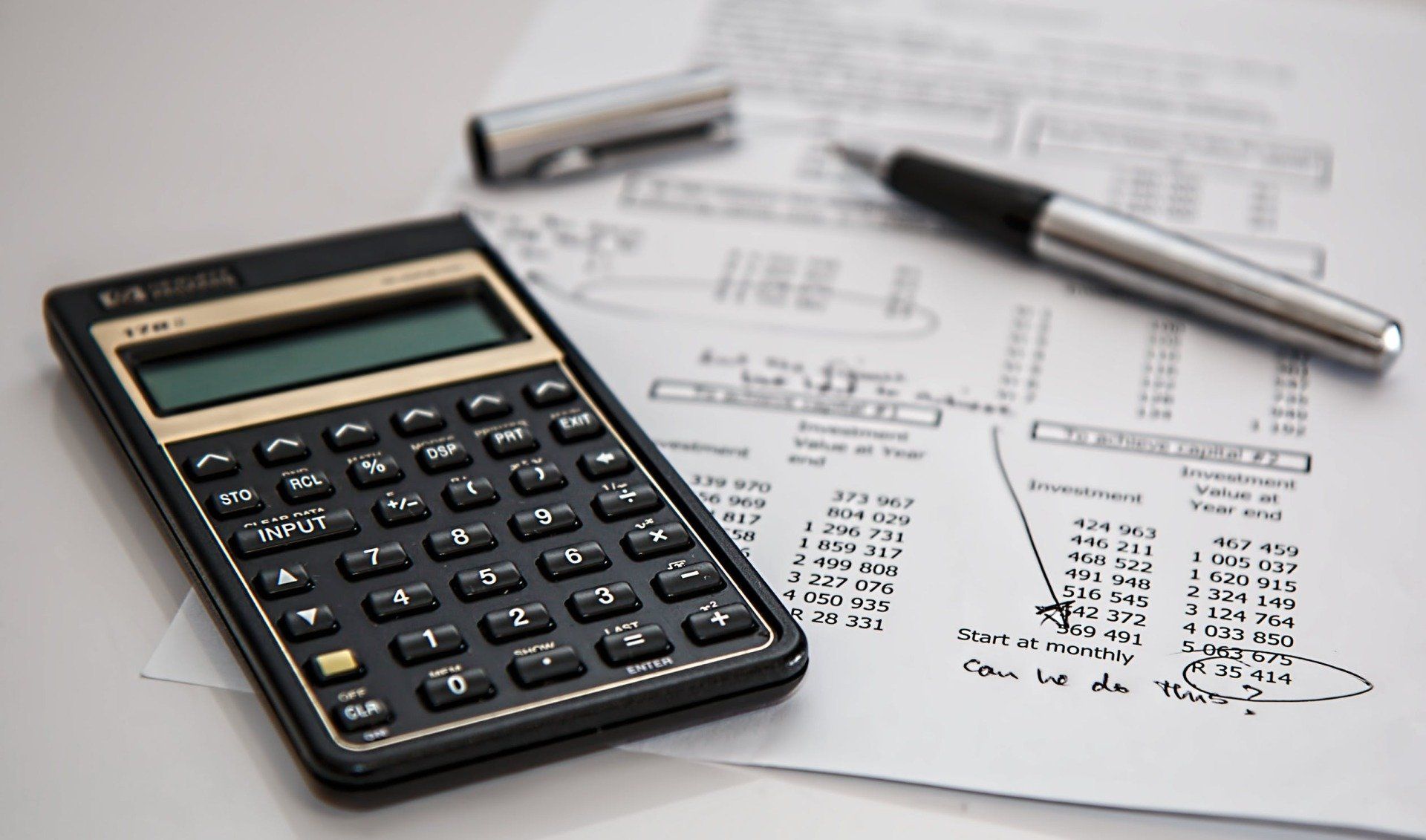
The ATO has issued a reminder to businesses that paying regular attention to their record-keeping and reporting tasks will help them better manage their cash flow and allow them to plan for the future.
The best way to make sure a business has enough cash available to meet its tax and other obligations is to do a cash flow budget or projection. This information will help the business to:
see its likely cash position at any time;
- identify any fluctuations that may lead to potential cash shortages;
- plan for tax payments;
- plan for any major expenses; and
- provide lenders with information.
Accounting for income and expenses can help keep a business running smoothly — by giving it an overview of when it can expect money to come in and when it may go out, and highlighting where the business may need to direct its money.
The ATO provides resources about record keeping for business, and there is also information on business.gov.au regarding how to create a budget, and how to improve a business's financial position.
Or contact us to assist with utilising software such as Xero to assist with monthly bookkeeping and setting up monthly budgets and provide monthly reports to monitor actual vs budget.
Want to know more?
Email us at Robert Goodman Accountants at reception@rgoodman.com.au . Brought to you by Robert Goodman Accountants.